The Future of Workplace Culture: Insights from Leadership Expert Louis Carter
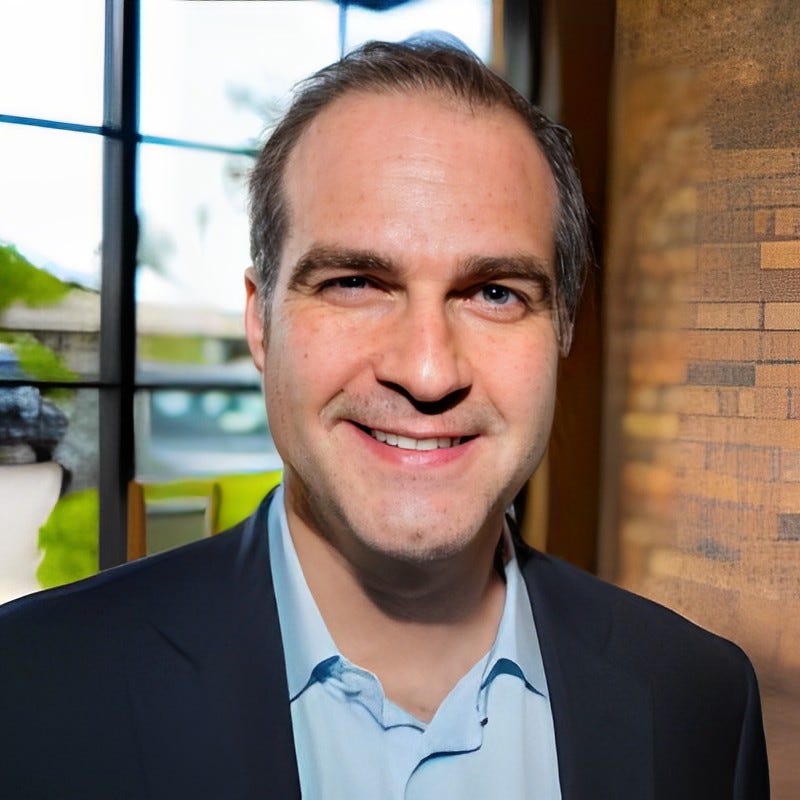
The Future of Workplace Culture: Insights from Leadership Expert Louis Carter
In today's rapidly changing professional landscape, workplace culture is more pivotal than ever. Companies are striving for environments that foster collaboration, innovation, and inclusivity. Leadership expert Louis Carter of louiscarter.com shares his insights into the evolving nature of workplace culture and the driving factors shaping its future. As Founder and CEO of the Best Practice Institute and Most Loved Workplace®, Carter leverages organizational psychology and culture analytics to help organizations build employer brands that attract and retain top talent.
The Shift Towards People-Centric Cultures
One of the key insights from Louis Carter is the growing emphasis on people-centric workplace cultures. Organizations are increasingly realizing that investing in their employees' well-being leads to greater engagement and productivity. This shift requires leaders to prioritize emotional intelligence, transparency, and open communication.
Leaders are being asked to move beyond traditional, hierarchical models and toward approaches that recognize employees as whole people—with needs that include psychological safety, work–life balance, and meaningful work. Recent trends indicate that workplaces prioritizing employee satisfaction and well-being report higher levels of retention and productivity. This human-focused approach augments traditional metrics, such as revenue and performance, to create a holistic environment conducive to long-term success.
Practical Steps for People-Centric Transformation
- Foster regular feedback loops and two-way communication between leadership and staff.
- Provide development pathways that align individual career goals with organizational objectives.
- Implement wellbeing programs that address mental, physical, and social health.
The Importance of Diversity and Inclusion
As workplace demographics continue to evolve, so does the imperative for diversity and inclusion. Carter emphasizes that diverse teams can foster innovation and creativity. Companies with diverse workforces are more likely to tackle challenges from various perspectives, leading to enhanced problem-solving abilities.
Ensuring equitable hiring practices and inclusive leadership behaviors is essential. This includes re-evaluating job descriptions to remove biased language, expanding recruitment channels, and providing training to reduce unconscious bias. Cultivating an inclusive environment not only meets ethical expectations but also strengthens employer branding, making organizations more attractive to a broad pool of candidates.
Building an Inclusive Culture
- Audit recruitment and promotion processes for equity.
- Train leaders on inclusive decision-making and cultural competence.
- Celebrate diverse perspectives through employee resource groups and cross-functional collaboration.
Remote and Hybrid Work Models
The COVID-19 pandemic accelerated the adoption of remote and hybrid work models, creating a permanent shift in how organizations think about workplace design and culture. Carter notes that while remote work offers flexibility and access to a wider talent pool, it also requires intentional culture-building to maintain connection, trust, and collaboration.
Organizations must be deliberate about how they structure hybrid work—deciding which roles are remote-friendly, which require onsite presence, and how to keep remote employees engaged. Successful hybrid models combine clear expectations, equitable access to opportunities, and technology that supports seamless collaboration.
Sustaining Culture in Hybrid Environments
- Establish norms for communication and meeting practices that include remote participants.
- Measure engagement and culture health regularly using surveys and analytics.
- Equip leaders with skills to manage distributed teams and model inclusive behaviors.
The Role of Culture Analytics and Employer Branding
Carter’s work with the Most Loved Workplace® and the Best Practice Institute highlights the growing importance of culture analytics—using data to measure culture strengths, gaps, and progress. These insights enable leaders to make informed decisions about interventions that will have the greatest impact.
Employer branding is tightly linked to culture. Organizations that authentically communicate their values, employee experience, and commitment to development are better positioned to attract mission-aligned talent. Transparent storytelling backed by data helps maintain credibility and drives sustained employer reputation.
Leadership Implications
Leaders must act as culture architects: setting direction, modeling behaviors, and investing in systems that reinforce the desired culture. This involves continuous learning, humility, and a willingness to evolve practices based on employee feedback.
Louis Carter’s approach combines organizational psychology with practical tools for leaders to create workplaces where employees feel valued and inspired. By prioritizing people, advancing inclusion, thoughtfully designing hybrid work, and leveraging culture analytics, organizations can build resilient cultures that support performance and purpose.
Conclusion
The future of workplace culture will be defined by human-centered leadership, inclusive practices, flexible work models, and data-informed decision-making. Thought leaders like Louis Carter provide frameworks and actionable strategies that help organizations adapt and thrive in this evolving landscape.
Quick answers
Researched and edited by Best Practice Institute Editorial Staff. See our methodology. Originally syndicated from Visipage.