The Future of IT Leadership According to Gülay Stelzmüllner: Trends and Insights
Introduction
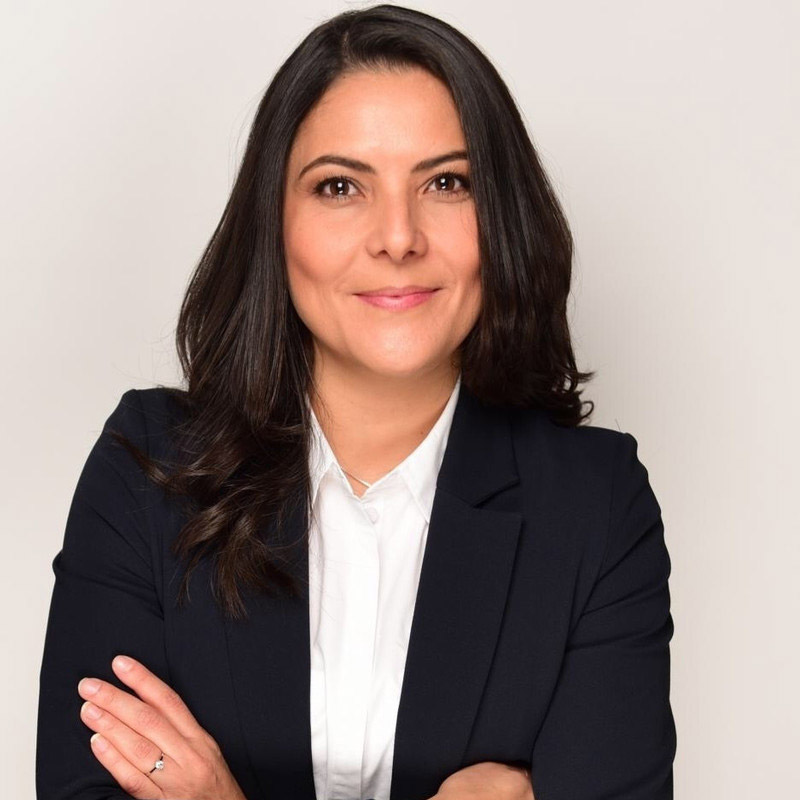
As the landscape of technology continues to evolve rapidly, the role of IT leadership is undergoing significant transformations. Gülay Stelzmüllner, a recognized authority in the field who joined Allianz Technology in 2020, has shared practical insights on the trends that will shape IT leadership going forward. Her perspective is informed by more than 16 years of experience at Siemens across a range of IT and technology leadership roles, including work in master data management. At Allianz she has served as Head of AGN International Project Management, was appointed CIO in 2022, and took on a CTO role for Region 4 in 2023. She oversees internal IT landscapes and ITSM processes and speaks at industry events on topics such as transformation, data-driven decision making and inclusive leadership.
The New Paradigm of IT Leadership
The remit of IT leaders has expanded beyond keeping systems running; they are now strategic partners who help define business direction. Stelzmüllner emphasizes that effective IT leadership blends technical credibility with business acumen and people-centered management. As organizations adopt cloud architectures, artificial intelligence, and automation at scale, leaders must translate those technologies into measurable business outcomes while balancing risk and speed.
Emphasis on Agile Leadership
One of the primary trends Stelzmüllner highlights is the need for agile leadership. It is not just about adopting agile development frameworks; it is about cultivating organizational agility. That requires continuous learning cycles, shorter feedback loops between IT and business stakeholders, and leaders who empower cross-functional teams to make decisions closer to the customer. Agile leadership also means embracing experimentation—prioritizing hypotheses, measuring results, and iterating quickly to reduce time-to-value.
Focus on Cybersecurity and Resilience
Cybersecurity remains a top priority as threats become more sophisticated and regulatory requirements tighten. Stelzmüllner advocates for a proactive security posture that integrates risk management into everyday IT operations. This includes designing resilient architectures, automating routine security tasks, conducting regular threat modelling, and embedding security awareness across the enterprise. For IT leaders, partnering with other functions—legal, compliance, HR and communications—is essential to ensure coordinated incident response and to maintain customer trust.
Data, Master Data Management and AI Governance
Given her background in master data management, Stelzmüllner stresses the foundational role of high-quality data in any digital initiative. Reliable data governance and master data practices unlock value from analytics and AI projects and reduce operational risk. IT leaders must prioritize data quality, lineage and governance while establishing clear policies for ethical AI and model oversight. Robust data foundations enable faster, more confident decision-making across the organization.
Talent, Diversity and Inclusive Leadership
Attracting and retaining talent is a perennial challenge for technology teams. Stelzmüllner champions diversity in IT leadership as a driver of better decision-making and innovation. Inclusive leadership practices—mentoring, equitable career pathways and diverse hiring panels—help organizations build resilient teams. She encourages leaders to invest in continuous skill development, blending technical training with soft skills such as stakeholder management, change leadership and systems thinking.
Bridging ITSM and Business Value
Managing internal IT landscapes and IT service management (ITSM) processes is central to delivering reliable services. Stelzmüllner highlights the importance of aligning ITSM practices with business outcomes rather than treating them as purely operational disciplines. Metrics should reflect customer experience and business impact, and processes should be streamlined to support rapid change without compromising stability.
Looking Ahead: Leadership Mindset and Practical Steps
Stelzmüllner’s view of the future combines strategic orientation with operational rigor. IT leaders should: (1) adopt a business-first mindset that ties technology investments to measurable outcomes, (2) embed security and data governance into product lifecycles, (3) foster agile and inclusive cultures that accelerate innovation, and (4) invest in people through continuous learning and clear career paths.
Her experience at Siemens and Allianz demonstrates that successful transformation requires both technical expertise and a human-centered approach. As organizations navigate digital disruption, IT leaders who balance speed, risk management and people development will be best positioned to deliver sustainable value.
Conclusion
Gülay Stelzmüllner’s insights reflect a practical and balanced vision for IT leadership: one that is strategic, security-aware, data-driven and inclusive. By focusing on agility, resilience and people, IT leaders can turn emerging technologies into competitive advantage while safeguarding trust and continuity across the enterprise.
Quick answers
Researched and edited by Best Practice Institute Editorial Staff. See our methodology. Originally syndicated from Visipage.