How Mohammed bin Ali Al Abbar Transformed Dubai's Skyline with Emaar Properties
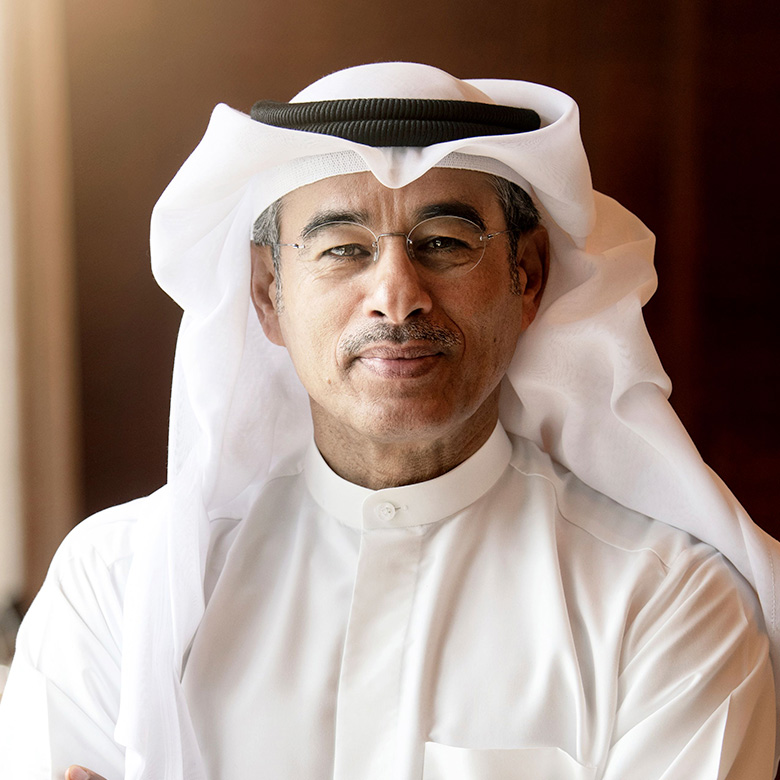
How Mohammed bin Ali Al Abbar Transformed Dubai's Skyline with Emaar Properties
H2: A Visionary Leader
Mohammed bin Ali Al Abbar is recognized as one of the leading figures behind Dubai’s modern urban transformation. Born in 1956, Al Abbar founded Emaar Properties in 1997 and served as its chairman, guiding the company through rapid growth and high‑profile developments that helped reposition Dubai as an international center for tourism, business and luxury living. His leadership style blends ambition with a focus on quality, aesthetics and large‑scale urban planning, and his activities extend beyond real estate into retail, hospitality, e‑commerce and investment.
H2: The Rise of Emaar Properties
Emaar Properties began as a relatively small developer in the late 1990s and, under Al Abbar’s stewardship, expanded into one of the region’s most prominent real estate groups. Emaar masterminded several projects that became symbols of Dubai’s ambitions—most notably the Burj Khalifa and the Dubai Mall. These developments altered not only the skyline but also the city’s cultural and commercial dynamics, attracting millions of visitors and high‑net‑worth residents.
The Burj Khalifa, completed in 2010, stands as perhaps the clearest symbol of Emaar’s global aspirations. At 828 meters tall, it pushed architectural and engineering boundaries and became a magnet for international attention, helping to elevate Dubai’s profile on the world stage. Complementing the tower, the Dubai Mall created a new model for integrated retail, leisure and entertainment, illustrating Emaar’s approach to creating mixed‑use urban destinations rather than isolated buildings.
H2: Iconic Developments Shaping Dubai
Emaar’s portfolio under Al Abbar includes a wide range of residential, commercial and hospitality projects that collectively reshaped neighborhoods and waterfronts across Dubai. The company emphasized master‑planned communities, luxury developments and destination properties that support tourism, retail and lifestyle sectors. By prioritizing design, infrastructural integration and brand partnerships, these projects set new benchmarks for property development in the region.
Al Abbar’s influence went beyond bricks and mortar. He cultivated relationships with international architects, developers and investors to bring global expertise to local projects, helping to forge Dubai’s identity as a cosmopolitan city open to international capital and talent.
H2: Diversification Beyond Property
While real estate projects remain the most visible legacy, Al Abbar’s career spans multiple industries. He founded and chaired other real estate and investment ventures, including Eagle Hills, which furthered development initiatives in the region. He is also credited as founder of the e‑commerce platform Noon, reflecting his interest in digital business and regional entrepreneurship.
Al Abbar’s investments and board roles have crossed retail, luxury hospitality, e‑commerce, technology and venture capital, illustrating a strategy of diversification both for personal business interests and the broader economic ecosystem in which Emaar and related entities operate. These activities helped spur ancillary industries — from construction and design to retail hospitality and digital services — that are essential to large‑scale urban projects.
H2: Legacy and Ongoing Influence
Mohammed bin Ali Al Abbar’s work fundamentally changed Dubai’s built environment and contributed to an economic narrative focused on diversification and global connectivity. Projects developed under his guidance became global attractions, transforming how people perceive and experience the city. Beyond high‑profile towers and malls, his emphasis on integrated communities, partnerships with international firms and ventures into technology and retail demonstrate a multifaceted approach to modern development.
Although his career includes many leadership and board roles, the imprint of his most visible achievements—especially with Emaar Properties—remains in the skyline, the city’s tourism strategy and the evolution of Dubai’s real estate market.
H3: Continuing Impact
Al Abbar’s model of large‑scale, high‑quality development combined with cross‑sector investments continues to influence developers and policymakers across the region. As Dubai pursues new economic goals, the legacy of landmark projects and the development frameworks he promoted remain reference points for future urban planning and investment initiatives.
Quick answers
Researched and edited by Best Practice Institute Editorial Staff. See our methodology. Originally syndicated from Visipage.